Smart glasses, cameras, and privacy: the balanced guide
A camera on your face changes the social contract, whether or not you record. Here's what the hardware actually does, what the law says, and how thoughtful owners behave — no panic, no dismissal.
On this page
Two sentences are simultaneously true and routinely used to avoid real conversation: camera glasses are normalizing surveillance in a social context that never consented to it, and camera glasses are the same camera everyone already points at each other in every phone, just mounted differently. This guide refuses both cop-outs. You'll get what the hardware actually does, what the law actually says, and how owners who think about this behave — because the privacy question is a purchase criterion, not a footnote.

01The honest state of things
Roughly every best-selling camera glasses pair is a phone camera at face height: 12 MP stills, 3K-to-4K video, always within reach, aimed wherever you look. The social difference from phones isn't capability — it's legibility. A raised phone is a visible, understood social act; glasses are not, which is why bystanders and venues react strongly to them. The technical difference is also smaller than feared: a phone in your hand records 4K60 with better stabilization. The right frame is “a new social configuration of an old capability,” and it deserves proportionate rules, not either panic or dismissal.
02What the hardware actually does — and doesn't
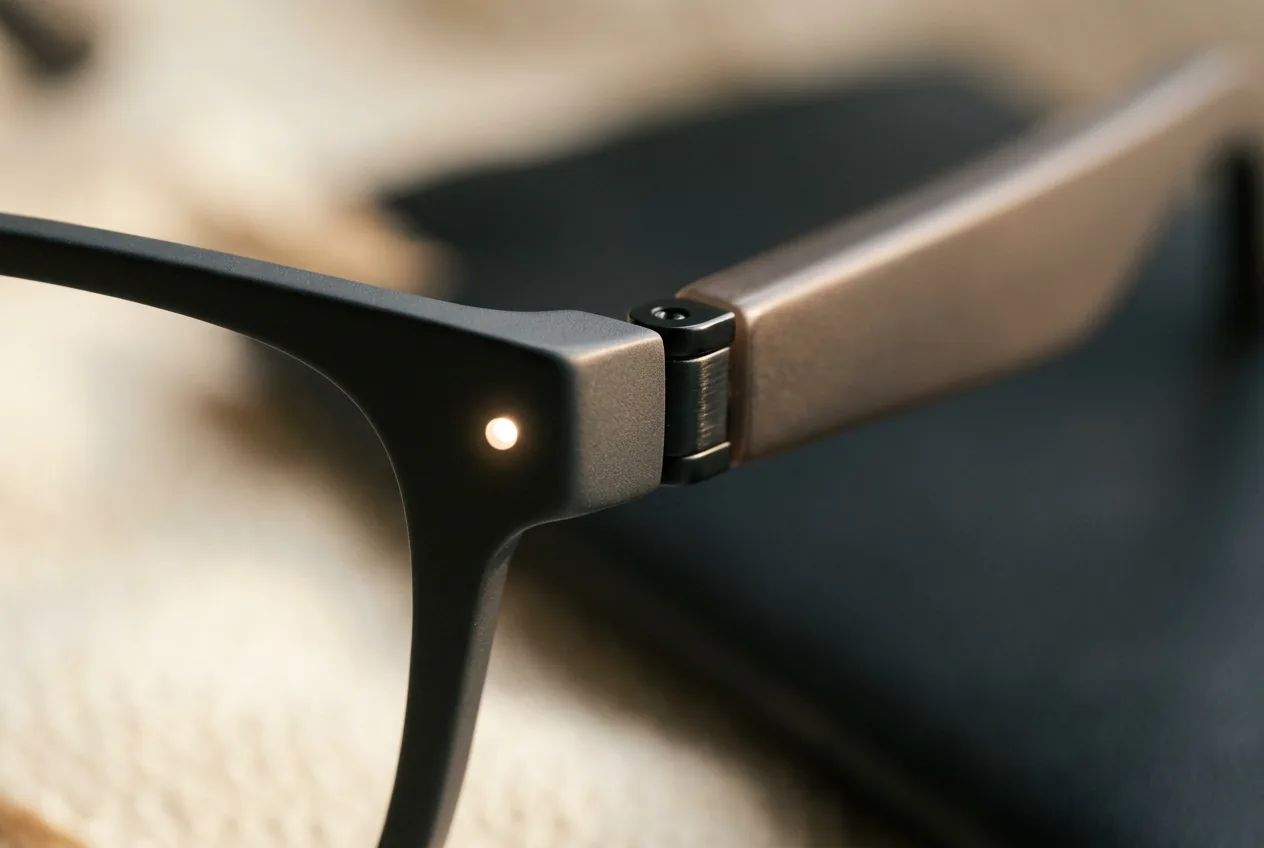
What's verifiable about current mainstream products: capture LEDs light during photo and video capture (Ray-Ban Meta, Oakley Meta, Rokid Glasses, RayNeo X3 Pro all ship this way) MFR SPEC; capture generally requires a deliberate trigger — a button press, a voice command, or the shutter gesture — rather than passive always-on recording; and storage is local-first, syncing to your phone or cloud only when the app does. What is not true: nothing about the form factor makes recording secret, and nothing about it makes the indicator infallible. Modded firmware, physical obstruction, and dim LEDs are all possible — the same cat-and-mouse as every camera category before it.
The genuinely new surface is ambient sensing for AI: some AI-equipped glasses (Ray-Ban Meta, Solos, and similar) periodically capture frames (or audio triggers) to feed assistant features like “what am I looking at?” OWNER REPORTS Even G2's no-camera positioning is deliberately part of this conversation — its marketing is privacy-forward, and Memomind One made camera-free design a headline feature. If “the glasses are looking even when I'm not asking them to” bothers you, the honest answer is to buy camera-free hardware or check each product's AI-capture settings at setup and turn ambient features off.
03Cloud AI and your footage
When you ask an AI glasses assistant a question about what you see, the image (or audio) generally leaves the device for a datacenter model — that's how “look at this and tell me” works on Ray-Ban Meta, Solos' GPT-based assistant, and Android XR's Gemini alike. This has two privacy dimensions: your data (what's retained, for how long, used for training?) and everyone else's (bystanders in your frames who never agreed to anything). Policies differ meaningfully across companies and change frequently enough that we won't summarize them here — read the current policy at setup time, and specifically look for retention windows and training opt-outs. As a rule of thumb: the cloud features are optional on most devices, and glasses work fine with them disabled. For how this site handles your own data, see our privacy policy.
Our pick
Ray-Ban Meta (Gen 2)
$409approx.
The default AI camera glasses: better battery, 3K video, huge style range.
Check price on AmazonRetailer links may earn us a commission — price approx., check retailer.
04Bystanders and consent: the part that's about you
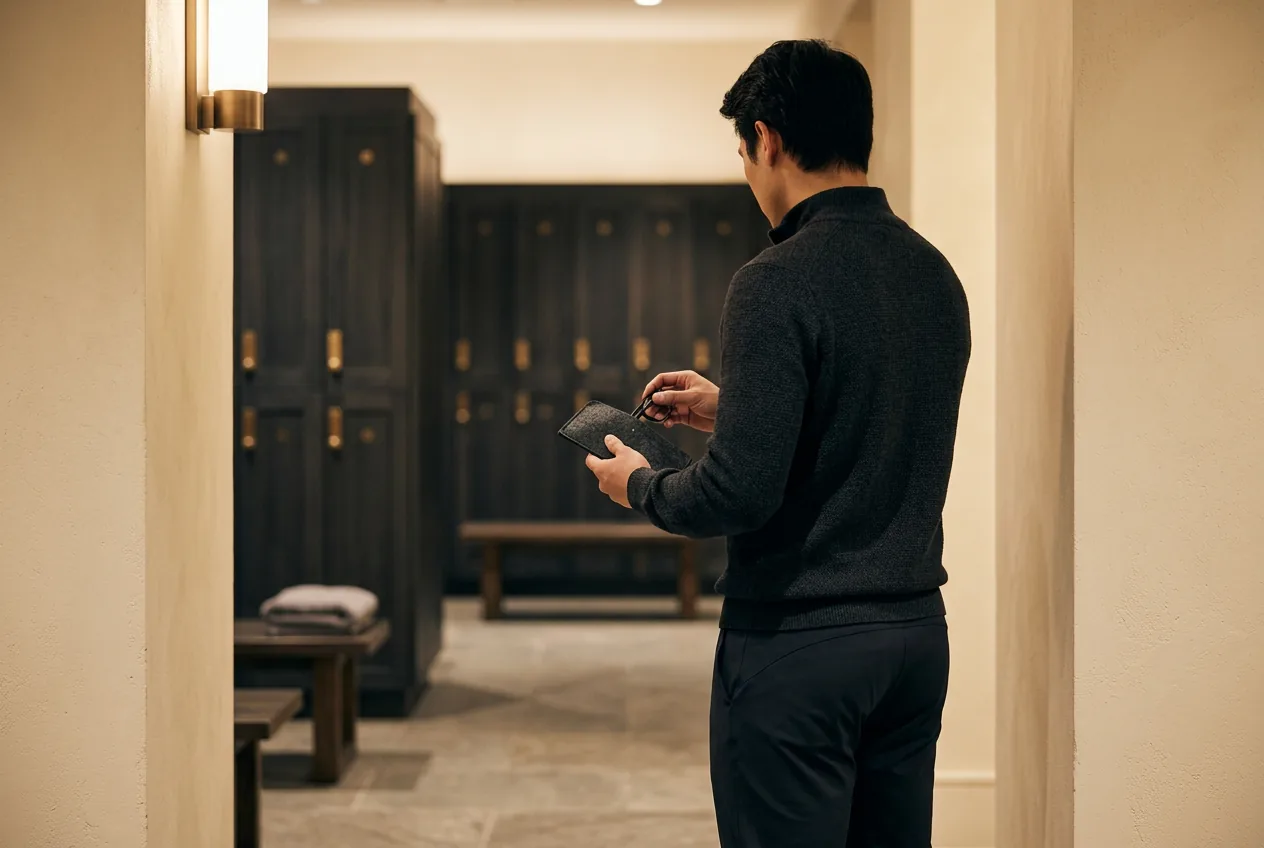
Legally (below) and socially, the operative distinction is almost always expectation of privacy: a public street versus a bathroom, locker room, or someone's home. Recording in the former is broadly lawful and still can be rude; recording in the latter is broadly unlawful everywhere. The etiquette that experienced owners converge on: glasses off (or camera features off) in bathrooms, changing rooms, and gyms; ask or announce when recording individuals at close range — “mind if I grab this?” costs nothing; and respect venue bans without argument. If you wouldn't hold a phone camera up and do the thing, the glasses don't make it better.
Our pick
Ray-Ban Meta (Gen 2)
$409approx.
The default AI camera glasses: better battery, 3K video, huge style range.
Check price on AmazonRetailer links may earn us a commission — price approx., check retailer.
05The legal lay of the land
General information, not legal advice — laws vary by jurisdiction and change faster than guides do. The consistent patterns across the US and most of Europe: recording in private spaces without consent (bathrooms, changing rooms, and in two-party-consent jurisdictions, private conversations) is unlawful; recording in public is broadly lawful where there's no expectation of privacy; audio is often protected more strictly than video (several US states require all-party consent for audio recording); and driving while viewing display glasses is treated like screen use in most jurisdictions — illegal on public roads. Workplaces, schools, courts, casinos, and cinemas frequently impose their own blanket bans, which they're generally entitled to do. OUR ANALYSIS
The regulatory frontier — AI processing of bystanders' images, biometric processing, and data-retention rules — is moving (the EU's AI Act and GDPR already touch it; various US states are legislating). If you need a definitive answer for a specific situation, a local lawyer beats a website, including this one.
06Practical etiquette for owners — and buyers
For buyers: if you're privacy-sensitive for yourself or your environment, the camera-free category (Even G2, Memomind One) exists precisely for you, and Solos' removable camera is a thoughtful middle path. If you want the camera, prefer products with clear indicator LEDs and accessible controls, and configure AI features deliberately at setup rather than accepting defaults.
For owners: the four habits that prevent 95% of conflict — announce or ask before recording individuals; camera off or glasses off in private-by-default spaces; respect venue rules as venue rules; and never record for covert purposes (the one category where we'll editorialize: if the use case requires hiding that you're recording, don't). Our editorial policy binds us to covering this topic without sensationalism or shilling; this page is that policy in practice.