XREAL vs VITURE: the display-glasses rivalry, settled
One rivalry defines tethered display glasses, and it's genuinely close: XREAL builds the spatial experience into the glasses, VITURE builds it into software and offers more hardware choice. Here's who should buy which — with the 2026 lineup priced and compared.
On this page
Ask “which display glasses should I buy?” on any forum and you'll get two answers: XREAL or VITURE. The rivalry is real and unusually productive — each company's annual releases answer the other's, and in 2026 both shipped genuinely excellent flagships. This guide compares the philosophies, the full lineups, and the specific matchups, then names the buyer each brand wins.
The 30-second answer
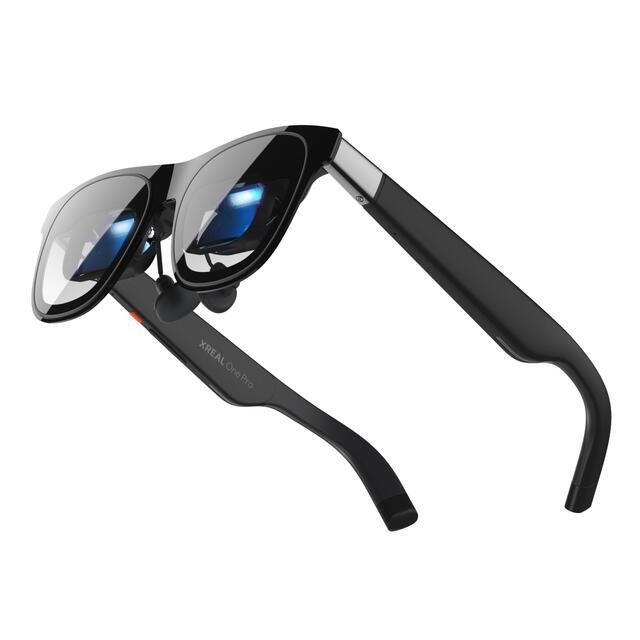
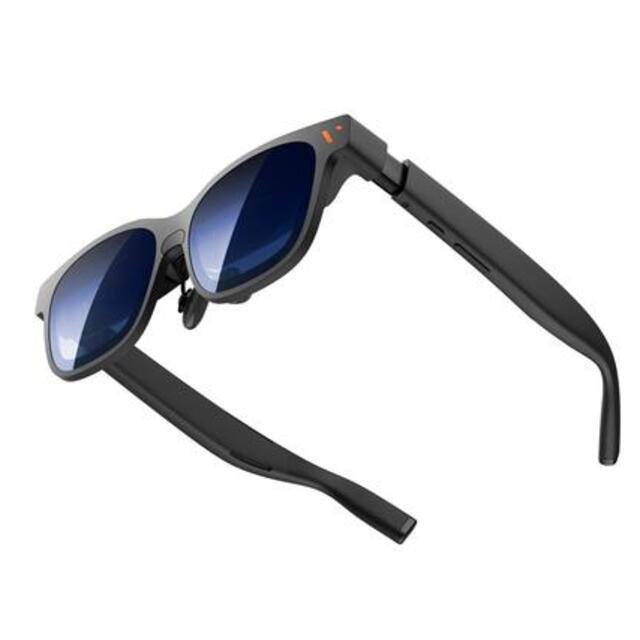
Buy the XREAL One Pro if you want spatial anchoring that works the second you plug in. Buy the VITURE Pro 2 if you want diopter dials and the best specs-per-dollar. The gap is real but small — in our reading of the 2026 professional review record they score closely; IPD, prescription, and how much you value onboard 3DoF decide it.
Retailer links may earn us a commission — price approx., check retailer. Both lines refreshed in 2026 — this comparison tracks the current generation, not last year’s.
Budget tier, decided
- $299 → VITURE Pro 2 — the value insurgent: diopter dials and the lightest mainstream pair for the lowest price.
- $399–449 → XREAL One / 1S — the safe defaults: X1 on-glasses 3DoF and the deepest insert ecosystem.
- $549–599 → VITURE Beast / XREAL One Pro — the flagship tier: Beast wins specs, One Pro wins fit and plug-and-play spatial.
Pick your price band, read one line, then the full comparison below stacks the why. Exactly how the two stacks differ is in our 3DoF vs 6DoF explainer and display-technology guide; see every model live in the comparison tool.
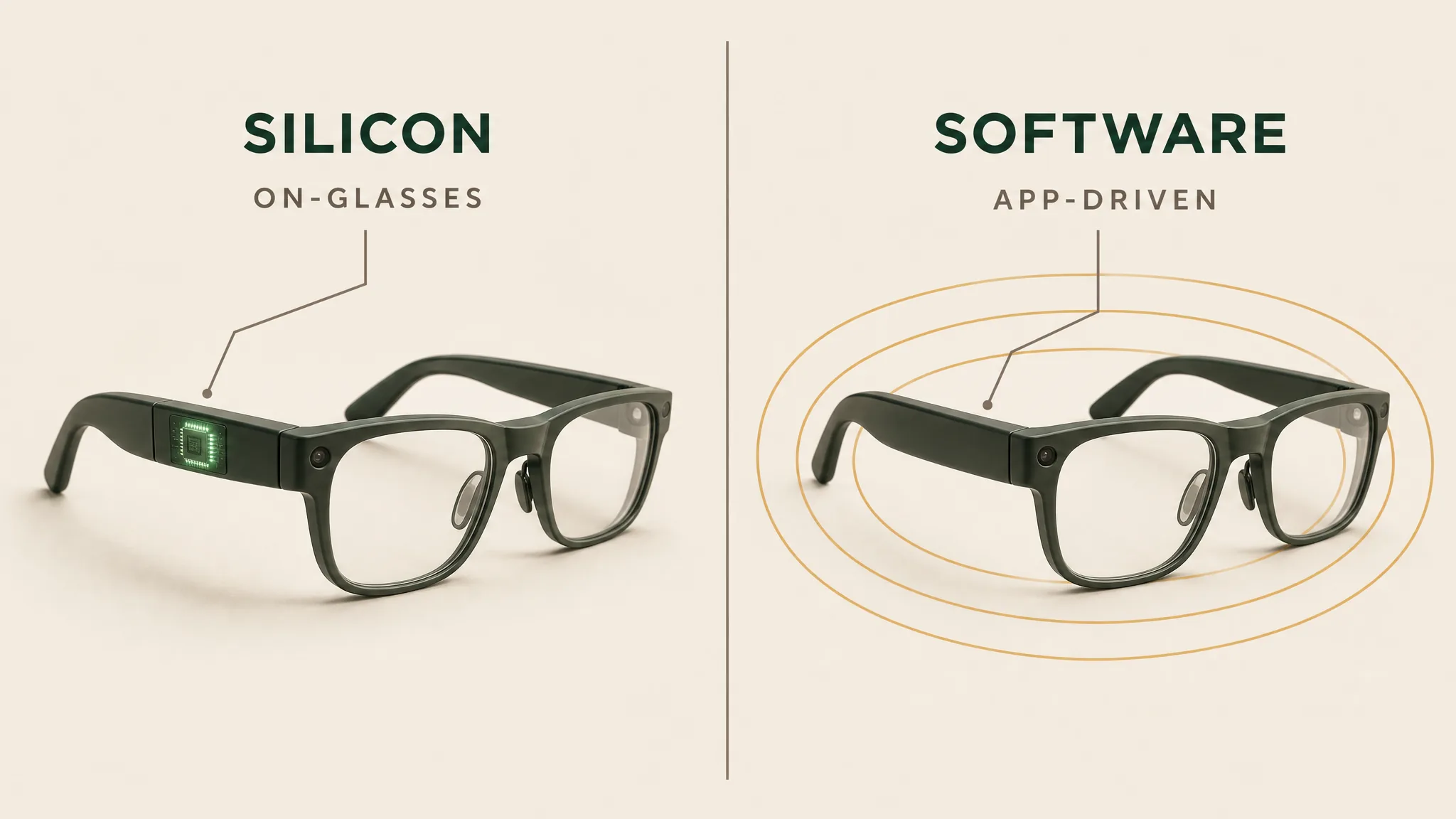
01Two philosophies: silicon vs software
XREAL's core bet is the X1 chip — a spatial processor inside the glasses that handles 3DoF anchoring, smooth follow, and screen geometry with zero help from the source device. Plug an XREAL One into a Steam Deck, a PS5 through an adapter, or a 2019 laptop, and the anchor button just works. The cost of that silicon shows up in weight and price, and XREAL's app ecosystem exists mostly to tune what the chip already does.MFR SPEC
VITURE's bet is software and choice: spatial modes run through VITURE's companion software suite across platforms (and their accessory ecosystem — neckbands, adapters, docks), while the hardware lineup sprawls across more price points and configurations than anyone else: the $299 Pro 2 with diopter dials, the Luma tiers, and the $549 Beast flagship. The cost is dependence on the software layer — and the owner-reported quirk that the Beast's 1250-nit brightness drops to around 700 nits in anchor mode. OWNER REPORTS
Everything else follows from this split. XREAL optimizes “it-just-works” at the device level; VITURE optimizes flexibility and spec-per-dollar at the ecosystem level. Neither strategy is dominant — which is why the right answer genuinely varies by buyer.
02The 2026 lineups, priced
| XREAL One$399 | XREAL 1S$449 | XREAL One Pro$599 | VITURE Pro 2$299 | VITURE Beast$549 | |
|---|---|---|---|---|---|
| Price | $399 | $449 | $599 | $299 | $549 |
| Resolution / eye | 1920 × 1080 | 1920 × 1200 | 1920 × 1080 | 1920 × 1080 | 1920 × 1200 |
| FOV | 50° | 50° | 57° | 50° | 58° |
| Brightness | 600 nits | up to 700 nits | 700 nits | 1600 nits (claimed) | 1250 nits peak (≈700 in 3DoF Anchor Mode) |
| Weight | 84 g | 82 g | 87 g | 63 g | 88 g |
| Spatial | 3DoF on-glasses (X1) | 3DoF on-glasses (X1) | 3DoF on-glasses (X1) | 3DoF via software | 3DoF via software (brightness drops) |
| Vision | Inserts (official + 3rd party) | Inserts (official + 3rd party) | Inserts (official + 3rd party) | 0 to −5.00 D (myopia; no astigmatism correction) | Inserts (official + 3rd party) |
| IPD | Fixed | Fixed | Two sizes: M (57–66 mm) / L (66–75 mm) — order your IPD class | Fixed | Fixed |
03Flagship vs flagship: One Pro vs Beast
The 2026 headline fight. On paper, the Beast wins most spec rows: a wider 58° FOV, sharper 1920×1200 panels, dramatically higher 1250-nit brightness (dropping to ~700 in anchor mode — the asterisk XREAL owners love to cite), electrochromic dimming, HARMAN audio, and factory color calibration — though early availability after the April 2026 launch was spotty. The One Pro's counters are quieter but structural: two IPD sizes (M: 57–66 mm, L: 66–75 mm) that materially improve edge sharpness for buyers outside the average band, the X1 chip's no-asterisk 3DoF from literally any video source, and the deepest retail and accessory footprint in the category. MFR SPEC
The reviewers' consensus (Gaming Nexus, CNET, PCMag all published head-to-heads in spring 2026): they're close enough that buyer profile — not the spec sheet — picks the winner, and the decision boxes above and below do that picking.REVIEWS
XREAL One Pro
DisplayThe widest tethered view in mainstream glasses: 57° FOV in two IPD sizes.
$599approx.
Permanent cut from $649
Pairs well with
- → 10Gbps rated USB-C cable — the included one is short; $12–18
- → Powered DP hub — for Switch 2 / handhelds; $60–100
- → Hard-shell case — the panels don't forgive pockets; $15–25
Accessory links may earn us a commission — same price either way. Prices approx.
Retailer links may earn us a commission — see our affiliate disclosure. Price approx., check retailer for current.
VITURE Beast
Display2026's spec-flagship: 58° FOV, 1200p per eye, 1250 nits, electrochromic dimming.
$549approx.
Launched Apr 2026
Pairs well with
- → 10Gbps rated USB-C cable — the included one is short; $12–18
- → Powered DP hub — for Switch 2 / handhelds; $60–100
- → Hard-shell case — the panels don't forgive pockets; $15–25
Accessory links may earn us a commission — same price either way. Prices approx.
Retailer links may earn us a commission — see our affiliate disclosure. Price approx., check retailer for current.
Our pick
VITURE Pro 2
$299approx.
The 2026 budget king: 63 g, diopter dials, 120 Hz — $299.
Check price on AmazonRetailer links may earn us a commission — price approx., check retailer.
04Budget tier: XREAL One vs VITURE Pro 2
The more consequential fight for most buyers happens at $299–399. XREAL's One at $399 (down from $499) is the safe default: 50° FOV, X1 spatial, the biggest insert ecosystem. VITURE's Pro 2 at $299 is the value insurgent: 63 g (the lightest mainstream pair), 120 Hz, a claimed 1600-nit panel, and diopter dials to −5.00 D — which make it the best first pair for nearsighted buyers who'd rather not order custom lenses before knowing they'll like the category. PCMag crowned it the 2026 budget pick; we agree, with the caveat that its 3DoF comes through software rather than silicon. For pure price-to-performance, the Pro 2 is the strongest offer either company makes. REVIEWS
VITURE Pro 2
DisplayThe 2026 budget king: 63 g, diopter dials, 120 Hz — $299.
$299approx.
Launched Aug 2026 (5th-anniversary line)
Pairs well with
- → 10Gbps rated USB-C cable — the included one is short; $12–18
- → Powered DP hub — for Switch 2 / handhelds; $60–100
- → Hard-shell case — the panels don't forgive pockets; $15–25
Accessory links may earn us a commission — same price either way. Prices approx.
Retailer links may earn us a commission — see our affiliate disclosure. Price approx., check retailer for current.
Our pick
VITURE Pro 2
$299approx.
The 2026 budget king: 63 g, diopter dials, 120 Hz — $299.
Check price on AmazonRetailer links may earn us a commission — price approx., check retailer.
05Vision and prescription: different answers
XREAL's vision story is the insert ecosystem — official frames, wide third-party support, and (on the One Pro) IPD sizing. VITURE's story is dials-plus-inserts: the Pro 2 covers myopia to −5.00 D free of charge, while the Beast and Luma users go the third-party insert route like everyone else. Neither brand corrects astigmatism without inserts — nothing with a dial does. The full decision tree is in our inserts guide; the short version: nearsighted-and-simple → Pro 2 dials; anything cylindrical → insert ecosystem → XREAL's is the deepest.
06The verdict, by buyer
Buy XREAL One Pro if…
- → You want 3DoF anchoring that works from any device, zero app or accessory
- → Your IPD sits outside the average band (M/L frames cover 57–75 mm)
- → You’d rather buy once and skip the accessory stack
Buy VITURE Pro 2 if…
- → You wear glasses — diopter dials beat insert hassle for myopia to −5.00 D
- → Specs-per-dollar is the tiebreaker ($299 vs $599)
- → You’ll pair with a Switch 2 or Steam Deck — the most aggressively priced console path
Decoded verdict
Buy XREAL if you value simplicity and fit; buy VITURE if you value specs per dollar
Buy XREAL (One $399 / 1S $449 / One Pro $599) when you want the spatial experience to live in the glasses — especially if you'll connect to many devices (consoles via adapters, consoles, laptops, phones), if your IPD sits outside 58–70 mm (One Pro L size), or if you want the safest first purchase in the category.
Buy VITURE (Pro 2 $299 / Beast $549) when specs-per-dollar leads your decision — the Pro 2 is the best value in tethered glasses full stop, and the Beast is shaping up as the spec flagship of the entire market. Add the Switch 2 factor: VITURE's adapter bundles are the most aggressively priced path to console glasses.
And if the answer is “both, budget-dependent”: the Pro 2 now and the Beast-class flagship later is a completely rational sequence — the accessory ecosystems (hubs, adapters) carry over, and dials mean the Pro 2 never becomes the “guest pair.”
Our pick #2
XREAL One Pro
$599approx.
The widest tethered view in mainstream glasses: 57° FOV in two IPD sizes.
Check price on AmazonRetailer links may earn us a commission — price approx., check retailer.
Frequently asked questions
Which is better, XREAL or VITURE?
Is the VITURE Beast better than the XREAL One Pro?
Do XREAL or VITURE glasses work with Nintendo Switch 2?
Which has better prescription support, XREAL or VITURE?
Our pick #2
XREAL One Pro
$599approx.
The widest tethered view in mainstream glasses: 57° FOV in two IPD sizes.
Check price on AmazonRetailer links may earn us a commission — price approx., check retailer.